生物课学生走进奥克兰动物园,探索人类演化历程
文章发表日期:
2026.09.09
生物课学生走进奥克兰动物园,探索人类演化历程
发布于2026年9月9日
近日,Macleans College 的NCEA 13级生物课学生前往奥克兰动物园进行了一次别开生面的教学参观。仿制古人类头骨、史前工具,以及园内的灵长类动物,都为同学们理解人类演化提供了全新的视角。
这次活动让学生们有机会近距离观察人类演化的证据,把课堂上学到的知识与真实世界中的观察结合起来,加深理解。
此次参观是学生备考91606号成就标准(3.6)“理解人类演化趋势”课程内容的一部分。同学们探讨了灵长类与古人类的演化历程,观察了各类解剖特征,并思考这些特征是如何随时间演变的。
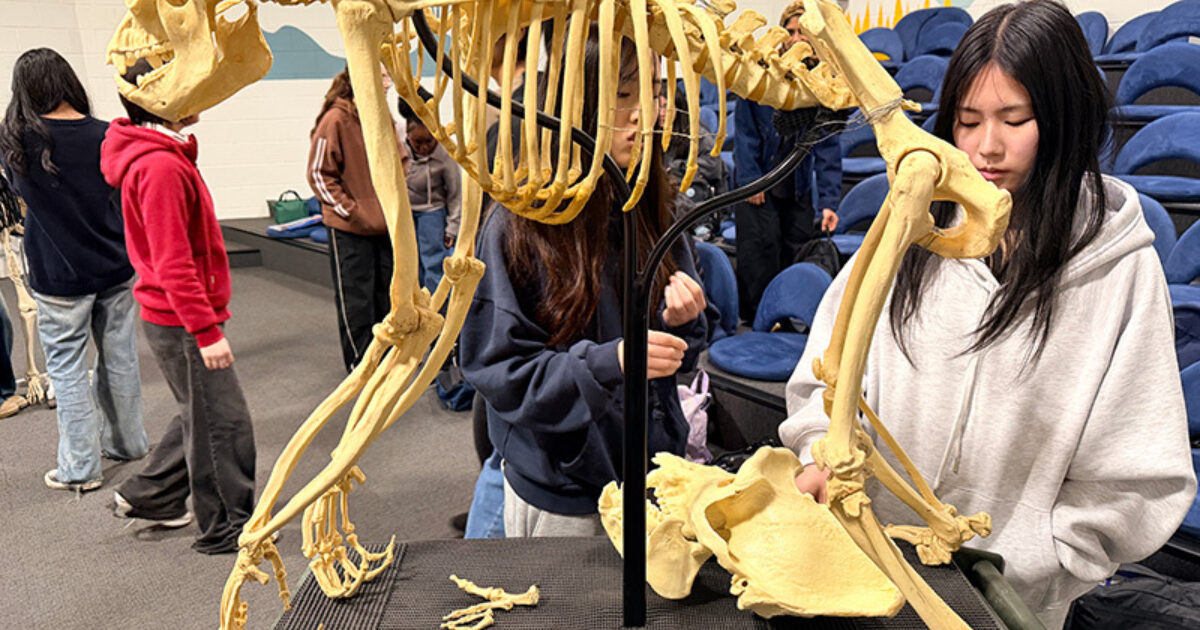
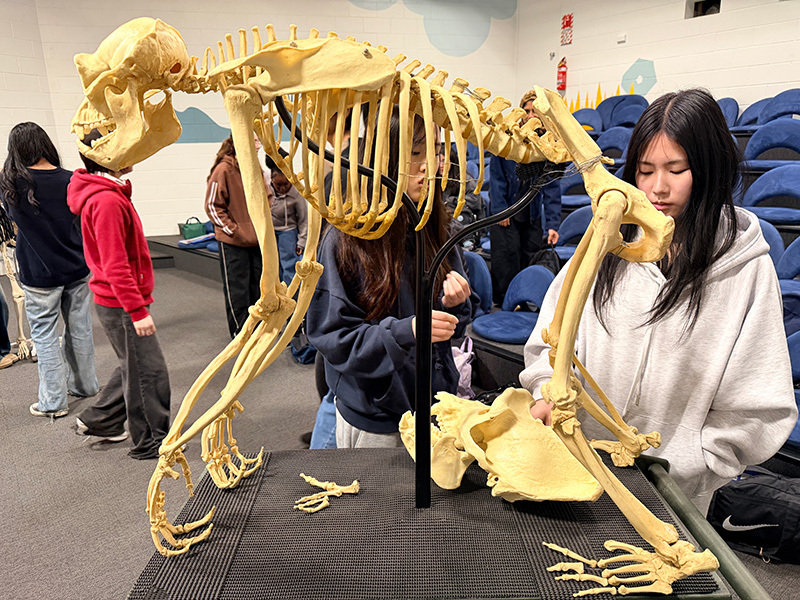
动物园的工作人员带领同学们参与互动环节,从生物学与文化两个角度探讨人类演化。学生们亲手接触仿制古人类头骨和史前工具,通过实物证据探索课堂上学习的重要概念。
在完成灵长类头骨比较分析后,同学们还参加了“四足组”对“两足组”的趣味挑战活动。这项活动鼓励学生运用所学知识,思考不同运动方式所对应的身体特征。
随后,学生们自由参观动物园,尤其留意了灵长类动物展区。红毛猩猩和长臂猿格外受到关注,因为它们经常出现在课堂关于灵长类演化,以及现代灵长类与早期古人类关系的讨论中。
这次参观从科学与实地观察两个角度巩固了学生对演化概念的理解。亲眼看到活生生的灵长类动物,并结合人类祖先的实物证据,让课堂理论与用以理解人类物种发展的证据之间,建立起了宝贵的联系。
来源: 学校新闻原文 (Macleans College)。译文如有歧义,以英文原文为准
Biology students explore human evolution at Auckland Zoo
Biology students explore human evolution at Auckland Zoo
Posted on September 09, 2026
Replica hominin skulls, prehistoric tools and living primates provided Year 13 NCEA Biology students at Macleans College with a different perspective on human evolution during an educational visit to Auckland Zoo.
The experience gave students an opportunity to examine evidence of human development and connect concepts studied in the classroom with observations in a real-world setting.
The visit formed part of students’ studies for Achievement Standard 91606 (3.6): Demonstrate an understanding of trends in human evolution. Students explored primate and hominin evolution, examining anatomical features and considering how these have changed over time.
Zoo facilitators led interactive sessions examining both the biological and cultural aspects of human evolution. Students worked with replica hominin skulls and prehistoric tools, using physical evidence to explore key concepts from their studies.
A comparative analysis of primate skulls was followed by the Team Quadruped or Team Biped challenge. The activity encouraged students to apply their knowledge while considering the physical characteristics associated with different forms of movement.
Students then explored the zoo independently, with particular attention given to the primate exhibits. Orangutans and gibbons generated considerable interest because they are regularly referenced in classroom discussions about primate evolution and the relationship between modern primates and early hominins.
The visit strengthened students’ understanding by allowing them to examine evolutionary concepts from both a scientific and observational perspective. Seeing living primates alongside physical evidence of human ancestry provided a valuable connection between classroom theory and the evidence used to understand the development of the human species.
 ← 返回 麦克林斯学院 新闻列表